Recently I had made some edits to a Wikipedia post on Irish dance. The post itself had been quite accurate but I had wanted to clarify that modern Irish dance was more "modern" than the post had been letting on. It neglected to mention that the strictness of Irish dancer arms had been modified for certain types of dances that are more graceful. See my previous post where I noted this change
Here.
I had reviewed the same post I had edited and noticed that the Wikipedia post remained unchanged.I hadn't deleted anything and simply added two sentences that explained that Irish dancers can use their arms but the post was not updated. Although it was not a major change, I do wish the post would be updated!
Tuesday, July 16, 2019

Wednesday, July 10, 2019
Are you Feis Fit?
I came across another Irish dance themed blog all about being in shape for feis. Now if you're not an Irish dancer, the word "feis" is probably one you've never heard before. The word "feis" is Celtic and refers to Irish dance competitions and is pronounced "fesh".
Jeanne, creator of the Are You Feis Fit blog (you can find it here) posts about nutrition and work outs for dancers training for a feis.
One specific post talks about Seven Simple Nutrition Guidelines for Irish Dancers. You can find it here!
What I found most important about this specific post was that the very first guideline was to make sure dancers knew that this was not a "do or die" list and that they should listen to their bodies to learn what is best for them. I also liked the specificity of the second guideline that provided an entire meal plan for dancers to use to their advantage in their training.
These guidelines were perfect for Irish dancers who may be a little lost in navigating diets that might help them in their dancing. I am excited to see what Jeanne posts next!
Jeanne, creator of the Are You Feis Fit blog (you can find it here) posts about nutrition and work outs for dancers training for a feis.
One specific post talks about Seven Simple Nutrition Guidelines for Irish Dancers. You can find it here!
What I found most important about this specific post was that the very first guideline was to make sure dancers knew that this was not a "do or die" list and that they should listen to their bodies to learn what is best for them. I also liked the specificity of the second guideline that provided an entire meal plan for dancers to use to their advantage in their training.
These guidelines were perfect for Irish dancers who may be a little lost in navigating diets that might help them in their dancing. I am excited to see what Jeanne posts next!
An Interview with Lord of the Dance
I had reached out to a dancer in Lord of the Dance who had taught workshops around the east coast to young dancers. I had hoped he would respond as he had been very active in multiple dance schools around my area and luckily for me, he did! This dancer had requested to remain anonymous for his career as he wanted to be completely honest with his answers and his feelings towards the Irish dance world and Lord of the Dance. I had emailed this dancer back and forth for about a week as his schedule is typically busy between practices and workshops but I was grateful that he was able to take the time out of his week to answer a few questions.
I have combined the emailed throughout the week to form the interview.
Erin: Thank you so much for taking the time to answer a few questions! I'll start off with asking you how old you were when you started dancing and what made you want to start?
Interviewee: No problem! I was about three years old when I began and I barely remembered it. My mother was the one who signed me up so I have her to thank for my career.
Erin: I feel as though most Irish dancers start very young but I know that's not always the case. You danced at the "anonymous" school of Irish dance in Maryland for 16 years and danced along world champions but you never decided to compete yourself. Why was that?
Interviewee: I prefer dancing as a form of art rather than a competition. I wanted to compete with no one else other than myself as I grew as a dancer. It would have been personally unhealthy for me to compare myself to other dancers. I also wanted to pursue a career in Lord of the Dance and the performance style and competitive style were just too different for me.
Erin: I know many dancers, alongside myself, who agree in that competitive dancing wasn't meant for them. You started dancing for Lord of the Dance: Dangerous Games in 2015. Can you tell me a little bit about your experience dancing with Michael Flately and possibly acknowledge the problems with Lord?
Interviewee: Michael Flately truly is one of the best Irish dancers in the world and I have high respect for him. As he gets older, he only appears at the end of his new show in the finale so I appreciate how most of the show is about the dancers as a whole and not just him. It is no secret that Lord of the Dance is sexist and as the show grows, it doesn't seem to leave its sexist ways. Riverdance has an ideal balance of male and female leads where women are empowering rather than submissive as they are in Lord. It bothers most of us in the show that the women still have to wear significantly less clothing than the men as well as the fact that they have to dance in hard shoes with a lifted heel which is extremely uncomfortable to dance in.
Erin: I am glad you brought up the sexism in Lord because that is something that hasn't gone unnoticed in the Irish dance community as you are well aware. It is refreshing to hear a dancer (especially a male dancer) in the show itself bring it up as it seems that no one in Flately's inner circle will discuss the matter. There isn't much information about it on the internet either. It also angers many in the Irish dance community that the number Breakout hasn't been changed throughout the years. This is something I wanted to bring attention to in the interview as you are aware this is going to be shared. What are your future plans with Lord and do you intend on staying?
Interviewee: Sexism in Lord is something that I will never let be brushed over. As you mentioned with Breakout, it is completely unacceptable to have our female dancers strip their dresses off on stage. It is a male dominated show and it is clear it makes many people uncomfortable in the audience. As for my future plans with Lord, I hope to move on to Riverdance where the Irish dance isn't taken over by crazy light fixtures and special effects for the sake of a dramatic story of good and evil. The original Lord did not need editing and more drama and although I respect Flately as a dancer, I think he let the money get to his head.
Erin: Your responses are great! I am so glad you discussed the sexism and some of the problems with Lord so that my audience understands that there are some issues with the show that come with its success. Maybe it's time a new show along with Riverdance gave Lord a run for it's money! It was eye opening to hear that even the dancers in Lord see the problem with the show. Thanks again for taking time out of your busy schedule to answer my questions.
Although the dancer wished to remain anonymous (it is clear why), I appreciated his willingness to be completely honest about the show Lord of the Dance. He believed it was important to bring these issues into the public eye more. Hopefully this helps facilitate a discussion in the Irish dance community.
I have combined the emailed throughout the week to form the interview.
The Interview
Erin: Thank you so much for taking the time to answer a few questions! I'll start off with asking you how old you were when you started dancing and what made you want to start?
Interviewee: No problem! I was about three years old when I began and I barely remembered it. My mother was the one who signed me up so I have her to thank for my career.
Erin: I feel as though most Irish dancers start very young but I know that's not always the case. You danced at the "anonymous" school of Irish dance in Maryland for 16 years and danced along world champions but you never decided to compete yourself. Why was that?
Interviewee: I prefer dancing as a form of art rather than a competition. I wanted to compete with no one else other than myself as I grew as a dancer. It would have been personally unhealthy for me to compare myself to other dancers. I also wanted to pursue a career in Lord of the Dance and the performance style and competitive style were just too different for me.
Erin: I know many dancers, alongside myself, who agree in that competitive dancing wasn't meant for them. You started dancing for Lord of the Dance: Dangerous Games in 2015. Can you tell me a little bit about your experience dancing with Michael Flately and possibly acknowledge the problems with Lord?
Interviewee: Michael Flately truly is one of the best Irish dancers in the world and I have high respect for him. As he gets older, he only appears at the end of his new show in the finale so I appreciate how most of the show is about the dancers as a whole and not just him. It is no secret that Lord of the Dance is sexist and as the show grows, it doesn't seem to leave its sexist ways. Riverdance has an ideal balance of male and female leads where women are empowering rather than submissive as they are in Lord. It bothers most of us in the show that the women still have to wear significantly less clothing than the men as well as the fact that they have to dance in hard shoes with a lifted heel which is extremely uncomfortable to dance in.
Erin: I am glad you brought up the sexism in Lord because that is something that hasn't gone unnoticed in the Irish dance community as you are well aware. It is refreshing to hear a dancer (especially a male dancer) in the show itself bring it up as it seems that no one in Flately's inner circle will discuss the matter. There isn't much information about it on the internet either. It also angers many in the Irish dance community that the number Breakout hasn't been changed throughout the years. This is something I wanted to bring attention to in the interview as you are aware this is going to be shared. What are your future plans with Lord and do you intend on staying?
Interviewee: Sexism in Lord is something that I will never let be brushed over. As you mentioned with Breakout, it is completely unacceptable to have our female dancers strip their dresses off on stage. It is a male dominated show and it is clear it makes many people uncomfortable in the audience. As for my future plans with Lord, I hope to move on to Riverdance where the Irish dance isn't taken over by crazy light fixtures and special effects for the sake of a dramatic story of good and evil. The original Lord did not need editing and more drama and although I respect Flately as a dancer, I think he let the money get to his head.
Erin: Your responses are great! I am so glad you discussed the sexism and some of the problems with Lord so that my audience understands that there are some issues with the show that come with its success. Maybe it's time a new show along with Riverdance gave Lord a run for it's money! It was eye opening to hear that even the dancers in Lord see the problem with the show. Thanks again for taking time out of your busy schedule to answer my questions.
Although the dancer wished to remain anonymous (it is clear why), I appreciated his willingness to be completely honest about the show Lord of the Dance. He believed it was important to bring these issues into the public eye more. Hopefully this helps facilitate a discussion in the Irish dance community.
Tuesday, July 9, 2019
How to do a Treble
About 90% of Irish dance consists of trebles so you cannot be an Irish dancer without knowing how to do one! Beginners should focus on mastering the basics of soft shoe before trying to take on a treble but if you're ready for hard shoe, then continue reading for how to master the treble!
Step 1:
With feet in position 3 (click here to refer to the 5 positions) and on your toes, step back with your left foot.
Step 2:
Now lifting your right foot, scuff your right foot up while keeping it close to your left.
Step 3:
Once again using your right foot and the left staying where it is, scuff your right foot back in the air parallel to your left foot.
Step 4:
Hop on your left foot keeping the right foot where it is hanging in the air.
Step 5:
Bring your right foot back and place it behind the left foot back in position 3, but with your left foot in front and your right foot behind.
In total, you should hear five sounds with each step of movement. Start off slow but try it faster once you get the hang of it. For more guidance I have included a video here.
Step 1:
With feet in position 3 (click here to refer to the 5 positions) and on your toes, step back with your left foot.
Step 2:
Now lifting your right foot, scuff your right foot up while keeping it close to your left.
Step 3:
Once again using your right foot and the left staying where it is, scuff your right foot back in the air parallel to your left foot.
Step 4:
Hop on your left foot keeping the right foot where it is hanging in the air.
Step 5:
Bring your right foot back and place it behind the left foot back in position 3, but with your left foot in front and your right foot behind.
In total, you should hear five sounds with each step of movement. Start off slow but try it faster once you get the hang of it. For more guidance I have included a video here.
Sunday, July 7, 2019
The Best Irish Songs to Dance to Part 2
You may have seen my previous post on the best Irish songs to dance to. If not Click here for part one!
This previous list has a variety of Irish songs to dance to including slip jigs and reels. Although this list is perfect for getting a feel of the different kinds of Irish music, I thought I could add to it with some fun tunes that are perfect for warming up.
This previous list has a variety of Irish songs to dance to including slip jigs and reels. Although this list is perfect for getting a feel of the different kinds of Irish music, I thought I could add to it with some fun tunes that are perfect for warming up.
- Star of the County Down by The High Kings
- The Leaving of Liverpool by The Young Dubliners
- The Rising of the Moon by The High Kings
- I'm Shipping Up to Boston by the Dropkick Murphys
- The Blood of Cu Chulainn by Jeff Danna and Mychael Danna
- Crystallize by Lindsey Stirling
- Dance Above the Rainbow by Ronan Hardiman
- Siamsa by Ronan Hardiman
- Doherty's Reel by The Dubliners
- GD's by Flook
- Celtic Fire by Ronan Hardiman
- Dance of Love by Ronan Hardiman
- Duelling Violins by Ronan Hardiman
Hopefully this part 2 will give some more variety between Irish pub-like songs and fiddle/flute harmonies that are used in dance shows like Riverdance and Lord of the Dance. Happy dancing!
Tuesday, July 2, 2019
"Modern" Irish Dance
Browsing through Wikipedia, researching Irish dance, I noticed the article did not seem to quite grasp the "modernness" of modern Irish dance. It assumed that the traditional form of Irish dance hadn't changed from a rigid structure with the dancer's arms at their side.
https://en.wikipedia.org/wiki/Irish_dance#Modern_stepdance
Reading this, I didn't think there was enough regarding how the traditional form of having arms at the side have changed as dancer often move them away from their sides. I decided to add that the soft shoe dances have strayed from this rigid structure and utilized arms to enhance the gracefulness of the dances.
As you can see, the original quote hit on the traditional stance but used the term "modern" without hitting on the newer techniques that strayed from tradition. I believe this minor addition to the original quote helps illustrate that modern Irish dance has changed.
https://en.wikipedia.org/wiki/Irish_dance#Modern_stepdance
The most predominant form of Irish stepdance is that popularised by the Broadway show Riverdance, and other Irish dancing stage shows since the late 20th century. Characterised by a rigid torso and dances performed high on the balls of the feet, this style became distinct from the late 19th century when the Gaelic League began efforts to preserve and promote Irish dance as part of a broader nationalist movement concerned with Irish culture. In 1929, the League formed An Coimisiún Le Rincí Gaelacha (CLRG, The Irish Dancing Commission) in order to codify and standardise stepdancing competition and education. Over the following decades, CLRG expanded globally, and promoted this particular form of stepdance by developing examinations and qualifications for teachers and competition adjudicators. Today, stepdance in the style codified by the Gaelic League is performed competitively in a number of countries, and under the auspices of a number of organisations which have at various times broken away from CLRG.
The most predominant form of Irish stepdance is that popularised by the Broadway show Riverdance, and other Irish dancing stage shows since the late 20th century. Characterised by a rigid torso and dances performed high on the balls of the feet, this style became distinct from the late 19th century when the Gaelic League began efforts to preserve and promote Irish dance as part of a broader Irish nationalism|nationalist movement concerned with Irish culture. Although a rigid torso may be the initial characterization of Irish dance, modern soft shoe Irish ballerinas commonly gracefully use their arms in flowing movements, abandoning the traditional form. It is not uncommon for hard shoe dancers to utilize their arms in strict hand formations other than arms at sides. In 1929, the League formed ''An Coimisiún Le Rincí Gaelacha'' (CLRG, The Irish Dancing Commission) in order to codify and standardise stepdancing competition and education. Over the following decades, CLRG expanded globally, and promoted this particular form of stepdance by developing examinations and qualifications for teachers and competition adjudicators. Today, stepdance in the style codified by the Gaelic League is performed competitively in a number of countries, and under the auspices of a number of organisations which have at various times broken away from CLRG.
As you can see, the original quote hit on the traditional stance but used the term "modern" without hitting on the newer techniques that strayed from tradition. I believe this minor addition to the original quote helps illustrate that modern Irish dance has changed.
Monday, July 1, 2019
The Blog to Train
Although the Irish dance world isn't necessarily big, it certainly is competitive. Sure, there are competitor Irish dancers and performance Irish dancers but even the performance dancers need to train like competitive ones! It is all about strong physique to get to where you want to go as an Irish dancer. This goes for all Irish dancers, especially if you're a performance dancer, or even a competitive one, who wants to dance in Riverdance.
I came across a blog called Target Training and it has pointing exercises, cool down routines, a world championship training guide, nutrition, guides to cope with competition nerves, and guides to stay fit over the holidays, just to name a few features. If you're an Irish dancer who needs some guidance, CLICK HERE TO TRAIN!
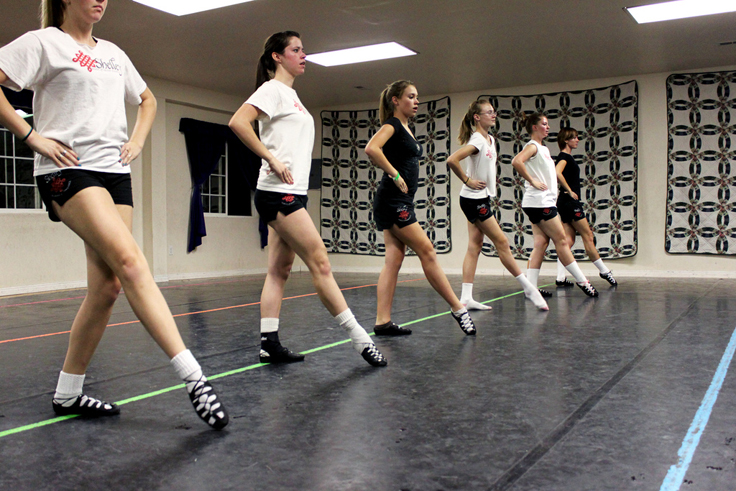
You can find loads of tips and training exercises there to help you get started. The aim of the training blog is to target, train, and transform. Between the 2019 World Championship Training Guide and a nutrition guide, this blog has everything any kind of Irish dancer could want. The founder and coach, Ellen G. Waller, is more than qualified to help young dancers achieve their dreams with tips ad exercises!
"Long time competitive and professional Irish dancer and instructor, Ellen G. Waller, has dedicated her life to Irish dance. Her talent as a dancer has lead her to perform for thousands across the world and her passion as an Irish dance instructor has influenced innumerable young dancers."
Dancers like Ellen know the struggles of not knowing where to start or what is best for your body. Irish dancers' have very strict physiques required for dancing and Ellen is here to help you train... the right way!
I came across a blog called Target Training and it has pointing exercises, cool down routines, a world championship training guide, nutrition, guides to cope with competition nerves, and guides to stay fit over the holidays, just to name a few features. If you're an Irish dancer who needs some guidance, CLICK HERE TO TRAIN!
You can find loads of tips and training exercises there to help you get started. The aim of the training blog is to target, train, and transform. Between the 2019 World Championship Training Guide and a nutrition guide, this blog has everything any kind of Irish dancer could want. The founder and coach, Ellen G. Waller, is more than qualified to help young dancers achieve their dreams with tips ad exercises!
"Long time competitive and professional Irish dancer and instructor, Ellen G. Waller, has dedicated her life to Irish dance. Her talent as a dancer has lead her to perform for thousands across the world and her passion as an Irish dance instructor has influenced innumerable young dancers."
Dancers like Ellen know the struggles of not knowing where to start or what is best for your body. Irish dancers' have very strict physiques required for dancing and Ellen is here to help you train... the right way!
Subscribe to:
Posts (Atom)